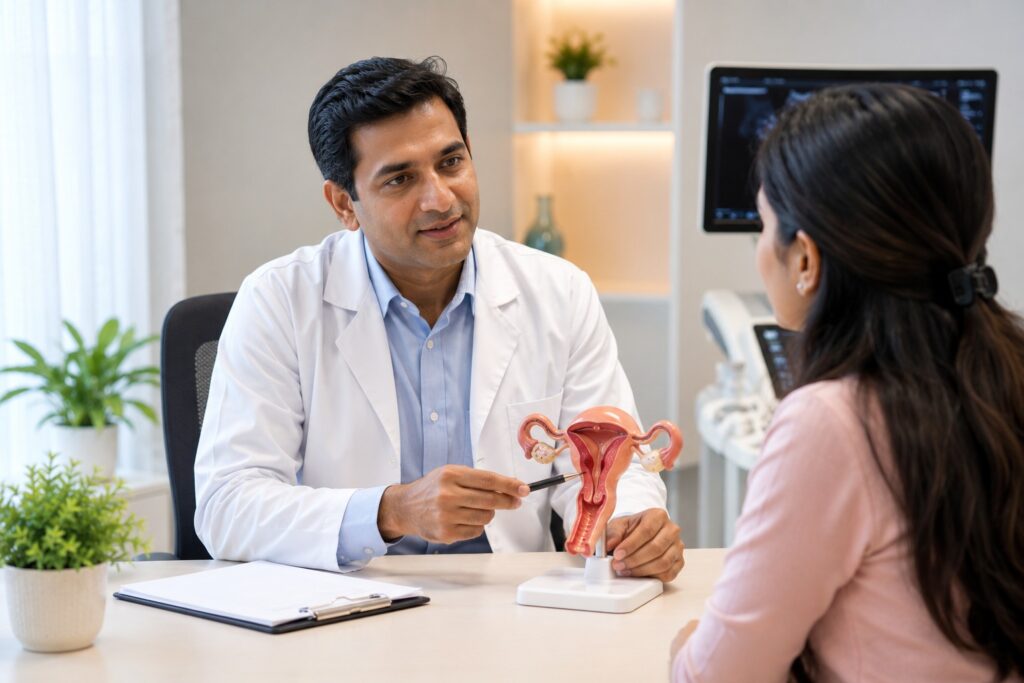

A Woman’s Health Roadmap: Care Before, During and After Pregnancy in Pimple Saudagar
Most women meet their doctor only when something feels wrong, yet the biggest health gains come from planning ahead: a checkup before conceiving, steady care through pregnancy and a proper follow-up after delivery. Knowing what to expect at each stage removes a lot of worry and helps you ask the right questions.
If you are looking for the Best Gynaecologist in Pimple Saudagar, this guide will help you understand what good care looks like, from preconception planning to warning signs, common myths and practical questions to ask at your first visit.
Step 1: The Preconception Checkup
A healthy pregnancy begins before the test turns positive. A visit two to three months before you start trying lets your doctor spot and fix issues early. Typically it covers:
- Folic acid and supplements: starting the right supplements before conception helps protect the baby’s developing brain and spine.
- Blood tests: haemoglobin, thyroid, blood sugar and blood group screening.
- Medicine review: some regular medicines need adjusting before pregnancy, so never stop them on your own.
- Vaccinations: checking that protections such as rubella are up to date.
- Weight and lifestyle: a healthy weight, regular activity and avoiding tobacco and alcohol improve outcomes.
Step 2: Your Pregnancy Timeline at a Glance
Every pregnancy is individual, but this is a typical schedule of scans and tests your doctor may follow:
| Stage | Key checks |
|---|---|
| First trimester (weeks 1 to 12) | Pregnancy confirmation, dating scan, blood tests, supplements, nuchal translucency scan at 11 to 14 weeks |
| Second trimester (weeks 13 to 27) | Anomaly scan at 18 to 22 weeks, blood pressure and weight tracking, glucose screening at 24 to 28 weeks |
| Third trimester (weeks 28 to delivery) | Growth scans, baby’s position, fetal movement monitoring, birth planning and hospital preparation |
Why Choosing the Right Doctor Matters in Pregnancy
Nine months is a long relationship, and continuity matters. Seeing the same doctor at every visit means subtle changes in your blood pressure, weight or scans are noticed early. Families searching for the Best Gynecologist in Pimple Saudagar for Pregnancy should look for a doctor who offers:
- Early risk detection: awareness of conditions like gestational diabetes, pre-eclampsia and anaemia.
- Honest delivery counselling: advice on normal delivery or cesarean based on your health and your baby’s, not on convenience.
- Availability: clear guidance on whom to call, and when, if something feels wrong.
- Respect for your questions: time to explain scan reports and tests in plain language.
Pregnancy Warning Signs: Do Not Wait for Your Next Appointment
- Vaginal bleeding, clots or leaking of fluid
- Severe or persistent abdominal pain
- Reduced or absent baby movements in the later months
- Severe headache with blurred vision, or sudden swelling of the face and hands
- Fever, burning urination or persistent vomiting that stops you keeping fluids down
- Regular painful contractions before the due date
Beyond Pregnancy: Common Concerns Worth Checking
Women’s health does not begin and end with childbirth. These problems are common, treatable and often ignored for too long:
- Irregular or heavy periods: often linked to PCOS, thyroid issues or fibroids.
- Recurrent urinary or vaginal infections: easily treated once the cause is identified.
- Pelvic pain: may point to cysts, endometriosis or infection.
- Difficulty conceiving: worth evaluating after a year of trying, or after six months if you are over 35.
- Perimenopause symptoms: hot flushes, mood changes and sleep problems that respond well to treatment.
Myths and Facts Every Woman Should Know
Myth: You only need a gynaecologist when you are pregnant.
Fact: Regular checkups help detect infections, hormonal problems and cervical changes early, at any age.
Myth: Irregular periods are normal and need no attention.
Fact: Cycles that stay irregular for months often have a treatable cause such as PCOS or thyroid imbalance.
Myth: A normal delivery is always safer than a cesarean.
Fact: The safest option depends on the mother’s and baby’s condition. A good doctor recommends what is medically right for you.
Myth: Exercise during pregnancy is risky.
Fact: In an uncomplicated pregnancy, walking and gentle exercise are usually encouraged. Ask your doctor what suits you.
How to Choose the Best Gynaecologist in Pimple Saudagar
Instead of only reading reviews, use your first consultation to find out whether the doctor is the right fit. These are good questions to ask:
- “How will you explain my reports?” You should leave every visit understanding your own results.
- “What is your approach to normal and cesarean delivery?” Look for a balanced, case-by-case answer.
- “Whom do I contact in an emergency?” A clear plan gives real peace of mind.
- “Which tests and scans are essential, and which are optional?” A good doctor avoids unnecessary investigations.
- “Do you offer follow-up after delivery?” Postpartum care is as important as prenatal care.
Why Patients Trust Dr. Avinash Phadnis
Dr. Avinash Phadnis is known for patient, unhurried consultations where each concern is heard and explained in simple language. Treatment plans are built around the patient’s health, comfort and wishes, whether the visit is for a routine checkup, a hormonal problem, fertility guidance or a pregnancy that needs closer monitoring.
Women also value the focus on continuity: the same doctor who plans your care follows it through, tracks your progress and stays involved after delivery, so you are never left guessing about the next step.
After Delivery: Caring for the New Mother
- Attend your postpartum checkup, usually around six weeks after delivery.
- Report heavy bleeding, fever, severe pain or wound problems straight away.
- Eat well, stay hydrated and rest whenever the baby sleeps.
- Talk to someone if you feel persistently low, anxious or overwhelmed. Postpartum mood changes are common and treatable.
- Discuss contraception and the right spacing before planning another pregnancy.
Final Takeaway
Good women’s healthcare is a long-term partnership, not a one-time visit. Plan before you conceive, keep every prenatal appointment, act quickly on warning signs and do not skip your postpartum checkup. A doctor who listens and explains makes each of those steps easier.
To start that partnership, book a consultation with a trusted Gynecologist in Pimple Saudagar and take the first step toward confident, well-informed care.
Book Your Consultation with Dr. Avinash Phadnis
Book AppointmentFrequently Asked Questions
When should I see a doctor if I am planning a pregnancy?
Ideally two to three months before you start trying. A preconception visit covers folic acid, thyroid and blood sugar checks, vaccinations, weight and a review of any medicines you take.
How many ultrasounds are needed during pregnancy?
Most pregnancies include an early dating scan, a nuchal translucency scan at 11 to 14 weeks, an anomaly scan at 18 to 22 weeks and growth scans in the third trimester. The exact number depends on your health and your doctor’s advice.
Is light spotting in early pregnancy normal?
Light spotting can happen and is often harmless, but it should always be checked. Heavy bleeding, clots or pain need immediate medical attention.
Can women with PCOS conceive naturally?
Yes, many women with PCOS conceive with lifestyle changes, weight management and, when needed, ovulation-inducing medication under medical supervision.
Is normal delivery always better than a cesarean?
Not always. The safest mode of delivery depends on the health of the mother and baby, the baby’s position and any complications. Your doctor will explain the reasoning so you can decide together.
Is it safe to travel during pregnancy?
In an uncomplicated pregnancy, travel is generally safe, with the second trimester usually the most comfortable. Check with your doctor first, especially for long journeys or if you have any complications.
When should I have a checkup after delivery?
A postpartum checkup is usually advised around six weeks after delivery, or sooner if you have heavy bleeding, fever, severe pain or low mood.
How can I book an appointment with Dr. Avinash Phadnis?
Use the Book Appointment button above to open the clinic’s Google Business profile, where you can call or get directions and choose a convenient time.