
Eating, Moving and Living Well in Pregnancy: An Indian Mother’s Guide to Diet, Exercise, Supplements and Myths in Shivajinagar
The moment a woman announces her pregnancy, advice starts arriving from everywhere: eat more ghee, avoid papaya, stop exercising, rest in bed, drink saffron milk. Most of it is well-meant, but some of it is outdated and some is simply wrong. Pregnant women deserve clear, evidence-based answers about what to eat, how to move and what to leave alone.
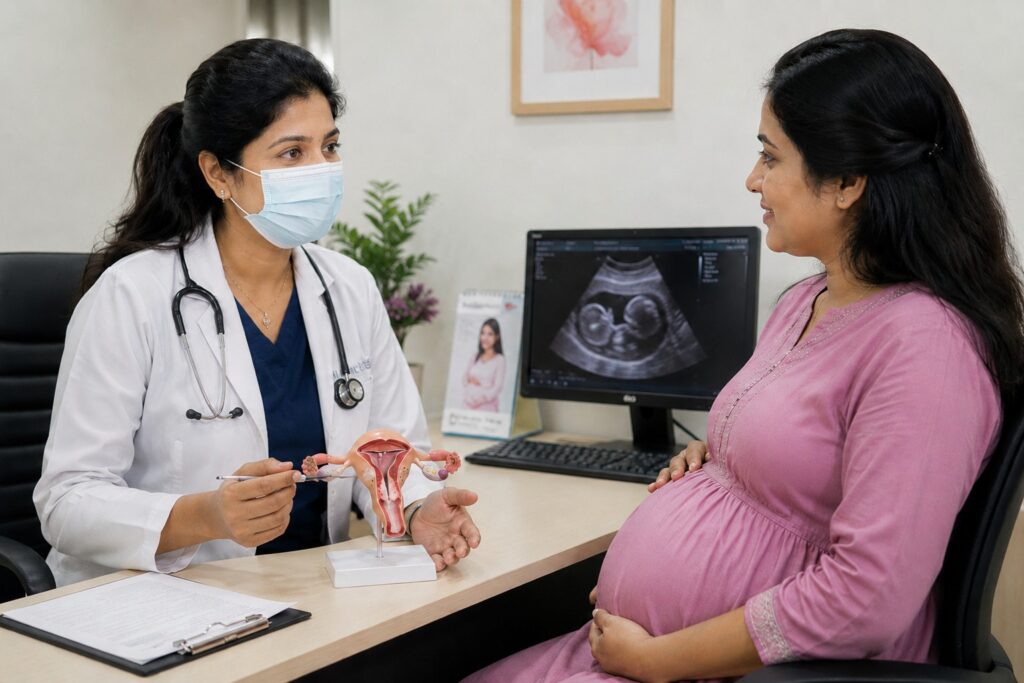
This guide covers healthy weight gain, a practical Indian plate, key supplements, safe exercise, vaccines and the myths worth ignoring. It also shows what to look for when choosing the Best Gynaecologist in Shivajinagar for your antenatal care, so that your doctor is a partner you trust through all nine months.
How Much Should You Eat and Gain?
“Eating for two” is a myth. In the first trimester, most women need no extra calories. In the second and third trimesters, roughly 300 to 450 extra calories a day, about one small healthy meal, are enough. Healthy weight gain depends on your weight before pregnancy:
| Weight before pregnancy | Usual total gain advised |
|---|---|
| Underweight | About 12.5 to 18 kg |
| Normal weight | About 11.5 to 16 kg |
| Overweight | About 7 to 11.5 kg |
| Obese | About 5 to 9 kg |
These are general ranges. Your doctor will set a personal target and may adjust it for twins or specific medical conditions, so weight is checked at every visit.
A Pregnancy-Friendly Indian Plate
Include daily
- Dal, pulses, sprouts (well cooked), eggs, chicken or fish if you eat them
- Milk, curd and paneer for calcium and protein
- Green leafy vegetables, seasonal vegetables and fruit
- Whole grains such as roti, ragi, jowar and brown rice
- Nuts, seeds and a little ghee or oil for healthy fats
- Plenty of water, buttermilk and coconut water
Limit or avoid
- Alcohol and tobacco in any form
- Raw or undercooked meat, fish and eggs
- Unpasteurised milk and soft cheeses, and unwashed raw vegetables
- Excess tea, coffee and fizzy drinks, keeping caffeine low
- Unripe or semi-ripe papaya, and herbal or home remedies not approved by your doctor
- Fried, very sugary and heavily packaged foods
Key Nutrients and Supplements
| Nutrient | Why it matters | Food sources |
|---|---|---|
| Folic acid | Protects the baby’s developing brain and spine, especially in early pregnancy | Leafy greens, pulses, citrus fruit, fortified foods |
| Iron | Prevents anaemia and supports the baby’s growth | Leafy greens, pulses, jaggery, dates, eggs, meat, with vitamin C |
| Calcium | Builds the baby’s bones and protects your own | Milk, curd, paneer, ragi, sesame seeds |
| Vitamin D | Helps calcium absorption, and deficiency is common in India | Safe sunlight, eggs, fish, fortified foods, supplements if advised |
| Protein | Supports tissue, placenta and baby growth | Dal, pulses, dairy, eggs, fish, chicken, soy, nuts |
Supplements should be taken only as your doctor prescribes, in the advised dose and at the advised times, since too much of some nutrients can be as harmful as too little.
Safe Exercise During Pregnancy
Generally safe
- Brisk walking, around 30 minutes on most days
- Swimming and water exercises
- Prenatal yoga and gentle stretching
- Pelvic floor (Kegel) exercises
- Stationary cycling at a comfortable pace
Best avoided
- Contact sports and activities with a risk of falls
- Heavy lifting and exercises lying flat on your back for long
- Hot yoga, saunas and exercising in extreme heat
- Scuba diving and very intense workouts
Stop and call your doctor if you have vaginal bleeding, dizziness, chest pain, leaking fluid, regular contractions, a swollen painful calf or reduced baby movements. If you have a complication such as a low-lying placenta or high blood pressure, ask what is safe for you before starting.
Sleep, Rest and Everyday Comfort
- From the later months, sleeping on your left or right side rather than flat on your back is advised, with a pillow between your knees for comfort.
- Small frequent meals ease nausea and heartburn, and drinking enough water helps with constipation and swelling.
- Wear comfortable footwear, and rest with your feet raised when they swell.
- Travel is generally safe in an uncomplicated pregnancy, but check with your doctor before long journeys.
- Look after your teeth and gums, since pregnancy hormones make gum problems more common.
Vaccines and Checkups During Pregnancy
- Tetanus protection: a Tdap or Td vaccine, which also helps protect the newborn from whooping cough when given in the recommended window.
- Influenza vaccine: commonly advised, as flu can be more severe in pregnancy.
- Regular scans and blood tests: including a dating scan, a detailed anomaly scan, haemoglobin and a glucose screening test.
- Blood pressure and weight checks: at every visit, to catch problems such as pre-eclampsia early.
Keeping every antenatal appointment matters more than any single test. Many women look for the Best Gynecologist in Shivajinagar for Pregnancy so that the same doctor follows them from the first visit to delivery and notices small changes early.
Looking After Your Mind
- Mood swings and worry are common, but constant sadness, panic or loss of interest deserves attention, since anxiety and depression can occur in pregnancy.
- Share your concerns with your partner, family and doctor rather than carrying them alone.
- Antenatal classes help you prepare for labour and early parenting with confidence.
- Protect your sleep and take short breaks, and do not feel guilty about asking for help.
Pregnancy Myths and Facts
Myth: You must eat for two.
Fact: You need better quality food, with only a modest increase in calories in the later months.
Myth: Saffron or milk will make the baby fair.
Fact: A baby’s skin colour is decided by genes, not by what the mother eats.
Myth: You should rest in bed for all nine months.
Fact: In an uncomplicated pregnancy, regular gentle activity is encouraged. Bed rest is advised only in specific situations.
Myth: The way you are carrying shows the baby’s gender.
Fact: It does not. Also, telling or finding out a baby’s sex before birth is illegal in India under the PCPNDT Act.
Myth: Ghee in large amounts makes delivery easier.
Fact: A little ghee is fine, but there is no evidence that large amounts help, and excess fat only adds unnecessary weight.
Warning Signs: Call Your Doctor Without Waiting
- Vaginal bleeding or leaking of fluid
- Severe or persistent abdominal pain
- Reduced or absent baby movements
- Severe headache with blurred vision, or sudden swelling of the face and hands
- Fever, burning urination, or vomiting that stops you keeping fluids down
- Regular painful contractions before 37 weeks
How to Choose the Best Gynecologist for Pregnancy in Pune
Your antenatal doctor will be a big part of your life for nine months. Look for someone who:
- Gives personal advice: on diet, weight, exercise and supplements that fit your health and lifestyle, not a generic printout.
- Listens to your questions: including those about family advice and home remedies, without making you feel foolish.
- Explains scans and tests: and orders only what is needed.
- Is honest about delivery options: and plans early for any risks.
- Is reachable: with clear instructions on whom to contact and when, including emergencies.
Why Patients Trust Dr. Avinash Phadnis
Dr. Avinash Phadnis is known for patient, unhurried consultations in which every question is welcomed, including the ones about what relatives have advised. Expectant mothers value the clear, practical guidance on food, activity, supplements and tests, and the honest explanation behind each recommendation.
His practice covers general gynecology, fertility care and pregnancy care, so women can stay with one doctor from planning a family through delivery and recovery. This continuity means each visit builds on the last, and small changes are noticed early.
Final Takeaway
A healthy pregnancy is built on simple habits: balanced meals, steady weight gain, gentle daily movement, prescribed supplements, timely vaccines and regular checkups. Ignore the myths, ask your questions and choose a doctor who gives you reasons rather than rules.
To begin or continue your antenatal care, book a visit with the Best Gynecologist in Pune Shivajinagar, Dr. Avinash Phadnis, and approach each month with confidence.
Book Your Consultation with Dr. Avinash Phadnis
Book AppointmentFrequently Asked Questions
How much weight should I gain during pregnancy?
It depends on your weight before pregnancy. Women with a normal BMI are generally advised to gain about 11.5 to 16 kg, while those who were underweight may gain more and those who were overweight or obese less. Your doctor will track your weight at each visit and advise a personal target.
Do I really need to eat for two?
No. You need better food, not double the food. Most women need only about 300 to 450 extra calories a day in the second and third trimesters, equal to a small healthy meal.
Is exercise safe during pregnancy?
For most women with uncomplicated pregnancies, regular moderate exercise such as walking, swimming and prenatal yoga is safe and beneficial. Check with your doctor first, and stop and seek help if you have bleeding, dizziness, chest pain, leaking fluid or regular contractions.
Which foods should I avoid in pregnancy?
Avoid alcohol and tobacco, raw or undercooked meat, fish and eggs, unpasteurised milk and cheese, and unwashed raw produce. Limit caffeine, and avoid unripe or semi-ripe papaya and herbal or home remedies unless your doctor approves them.
Are papaya and pineapple dangerous in pregnancy?
Unripe or semi-ripe papaya is best avoided. Fully ripe papaya and pineapple eaten in normal food amounts are generally considered safe, but if you are unsure, ask your doctor.
Do I need iron and calcium tablets?
Most pregnant women are advised iron, folic acid and calcium supplements, and often vitamin D, because needs rise and diet alone may not meet them. Take only what your doctor prescribes, in the dose and at the times advised.
Which vaccines are recommended during pregnancy?
Tetanus protection, usually with a Tdap or Td vaccine, and a yearly influenza vaccine are commonly recommended. Your doctor will advise what is right for you and when to take it.
Can I travel during pregnancy?
In an uncomplicated pregnancy, travel is generally safe, with the second trimester usually the most comfortable. Check with your doctor before long journeys, carry your records and avoid travel late in pregnancy or if you have complications.
How can I book an appointment with Dr. Avinash Phadnis?
Use the Book Appointment button above to open the clinic’s Google Business profile, where you can call or get directions and choose a convenient time.